Beyond the Farm Gate: What It Takes to Build Climate-Smart Coffee Regions
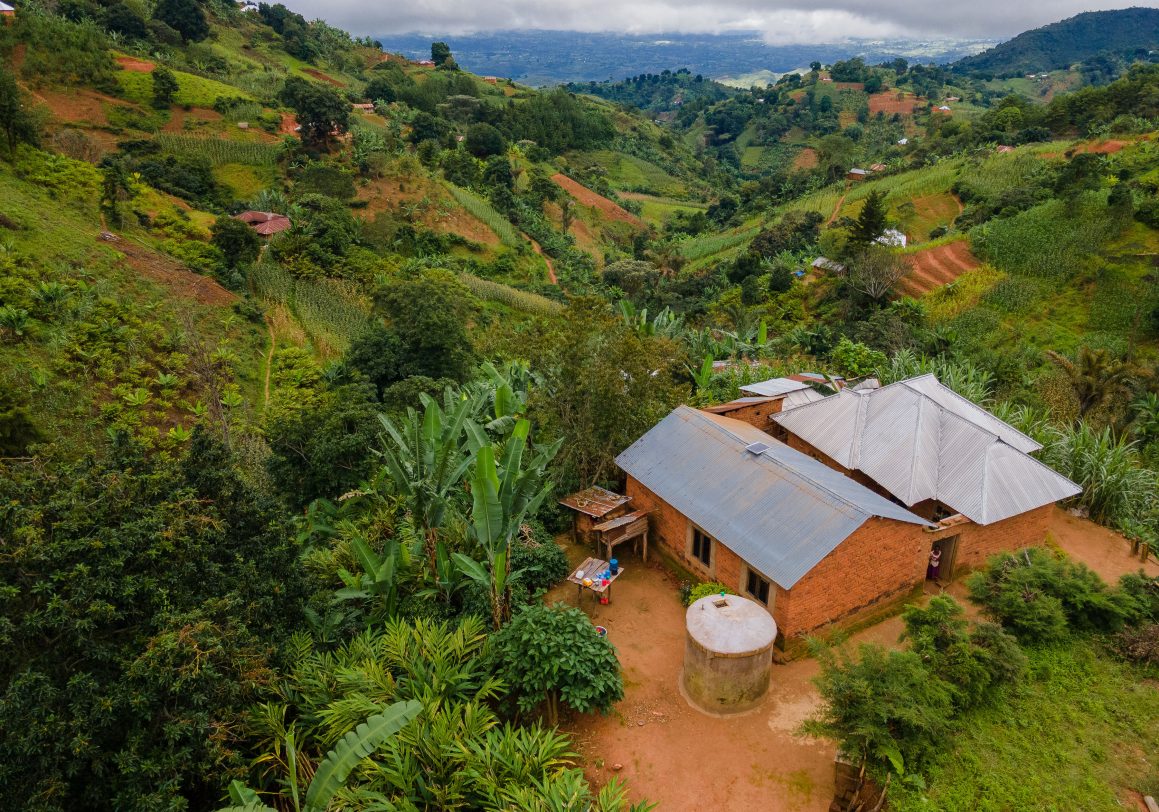
Climate adaptation in coffee often starts with the farm. It starts with improving soil health, increasing shade cover, introducing climate-smart practices, or strengthening access to technical advice. These interventions remain essential. Yet the conversations around climate resilience are increasingly moving beyond the boundaries of individual farms.
Not because farm-level action has become less important, but because experience increasingly shows that farms do not operate in isolation. Water resources, ecosystems, rural infrastructure, local institutions, market dynamics, and community networks all influence how coffee-growing regions respond to climate shocks. As climate pressures intensify, resilience is becoming less about individual interventions and more about how these different elements work together.
This shift in thinking was at the centre of the online symposium Grounds for Change: Practical Pathways to Climate-Smart Coffee Regions, hosted by coffee&climate.
Climate-Smart Coffee Regions are place-based approaches that bring together coffee-farming families, producer organizations, companies, local governments, technical service providers, and other stakeholders around a shared vision for strengthening resilience at regional level.
Climate-Smart Coffee Regions are About Connecting Efforts, Not Creating New Projects
One of the most important insights emerging from the discussions was that Climate-Smart Coffee Regions are not about creating new projects.
Many coffee-producing regions already host a wide range of initiatives. Companies, producer organizations, governments, NGOs, research institutions, and development projects are investing in climate adaptation, biodiversity conservation, farmer training, livelihood diversification, and landscape restoration.
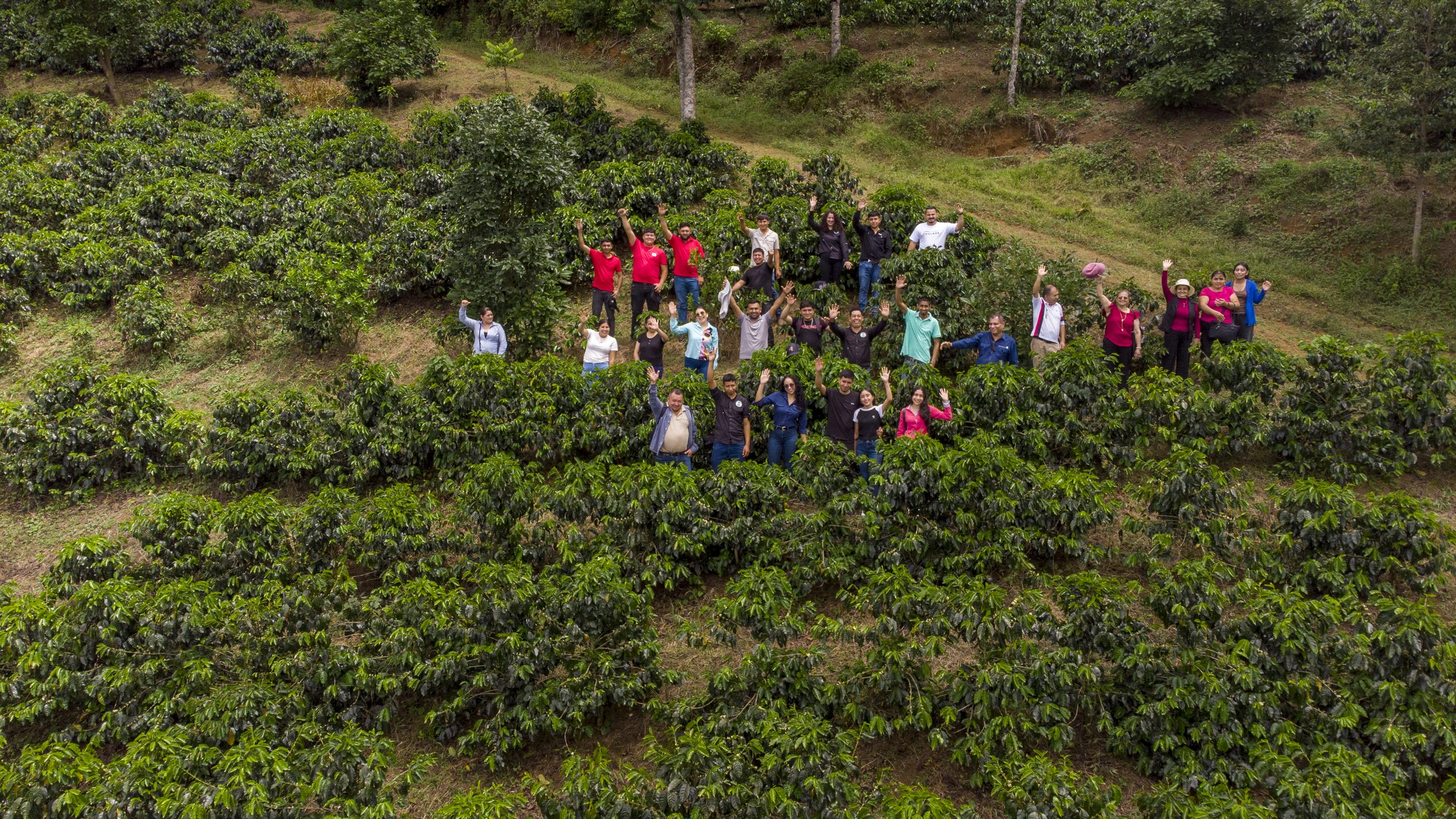
The challenge is often not a lack of activity. The challenge is that these efforts are frequently designed, implemented, and measured separately, even when they address closely related issues.
The defining feature of a Climate-Smart Coffee Region is not the creation of a new project. It is the effort to align existing actors and initiatives around shared regional goals.
This starts with a simple question:
What does this region need, and how can existing efforts contribute to a shared long-term vision?
This shift may sound subtle, but it changes the focus from individual projects to collective outcomes.
The goal is not to replace successful projects, but to connect and strengthen them through a common vision for regional resilience.
A Shared Vision Matters More Than Identical Priorities
Conventional partnership thinking often assumes that successful collaboration requires stakeholders to align their objectives.
The experience from western Honduras suggests something different.
Companies, farmer organizations, technical service providers, municipalities, and implementing organizations participate for different reasons. Some are interested in climate resilience, others in livelihoods, productivity, biodiversity, sourcing, finance, or community development.
Complete alignment is neither realistic nor necessary. What matters is whether these actors can agree on the direction they want the region to move toward.
This was one of the strongest implementation lessons shared during the symposium. Different priorities do not automatically weaken partnerships. In many cases, they strengthen them by introducing perspectives, expertise, and ideas that would otherwise be missing.
The goal is not to eliminate differences. It is to build enough common ground to act despite them.
Governance Is Not An Administrative Task
Discussions about climate adaptation often focus on visible activities: training sessions, demonstration plots, shade trees, climate information services, or access to finance. Less visible are the systems that allow those activities to function over time.
Partnerships require coordination. Decisions require processes. Learning requires feedback mechanisms. Resources require accountability. Conflicting priorities require spaces for dialogue. These elements are sometimes treated as administrative requirements that sit alongside implementation. In reality, they are part of implementation.
The first year of experience in western Honduras highlighted that governance deserves as much attention as field activities. Successful regional approaches require intentional investment in communication, coordination, relationship-building, and decision-making structures.
These structures create the conditions for collaboration. They help stakeholders stay aligned, navigate competing priorities, and continue working together as conditions change over time.
Resilience Grows Through Learning
Climate change introduces uncertainty.
Weather patterns become less predictable. New risks emerge. Assumptions prove wrong. Conditions shift faster than anticipated.
Several speakers therefore stressed the importance of treating Climate-Smart Coffee Regions not only as implementation frameworks, but also as learning systems.
This involves much more than monitoring indicators. It requires structures that allow partners to reflect on results, challenge assumptions, share experiences, and adjust their actions as new information becomes available.
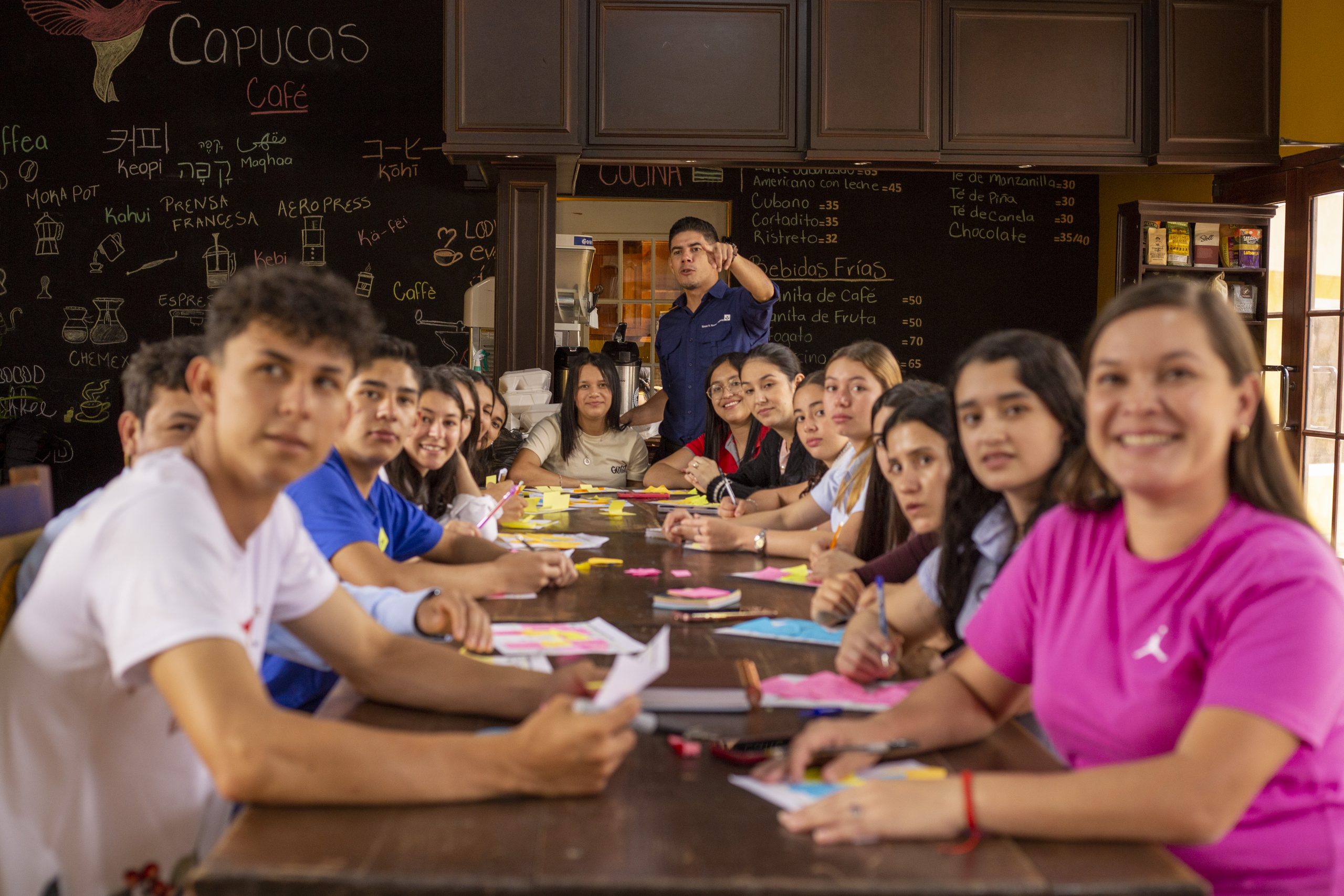
In this sense, learning is not separate from implementation. It is part of implementation. The most resilient regions may not be those that avoid surprises. They may be those that are best equipped to learn from them and respond collectively.
This is where monitoring and measurement become particularly important.
Measurement Only Matters If It Influences Decisions
Measurement is often viewed primarily as a reporting requirement. Something donors need. Something projects must deliver.
The discussions around landscape-scale monitoring suggested a different perspective. The value of measurement is not the data itself. It lies in helping people make better decisions.
This is true for any project. However, regional approaches add another layer of complexity. When multiple organizations work toward shared outcomes, they also need a shared understanding of what is changing, where support is most needed, and whether their efforts are contributing to broader regional goals.
At landscape level, evidence can help identify emerging priorities, understand how practices spread between farms, assess whether interventions are reaching the intended groups, and reveal changes that may not be visible through individual projects alone.
Importantly, information flows in both directions. Data helps explain what is happening across a region, while local knowledge helps explain why.
This combination is what turns information into insight.
Resilience Requires Long-Term Commitment
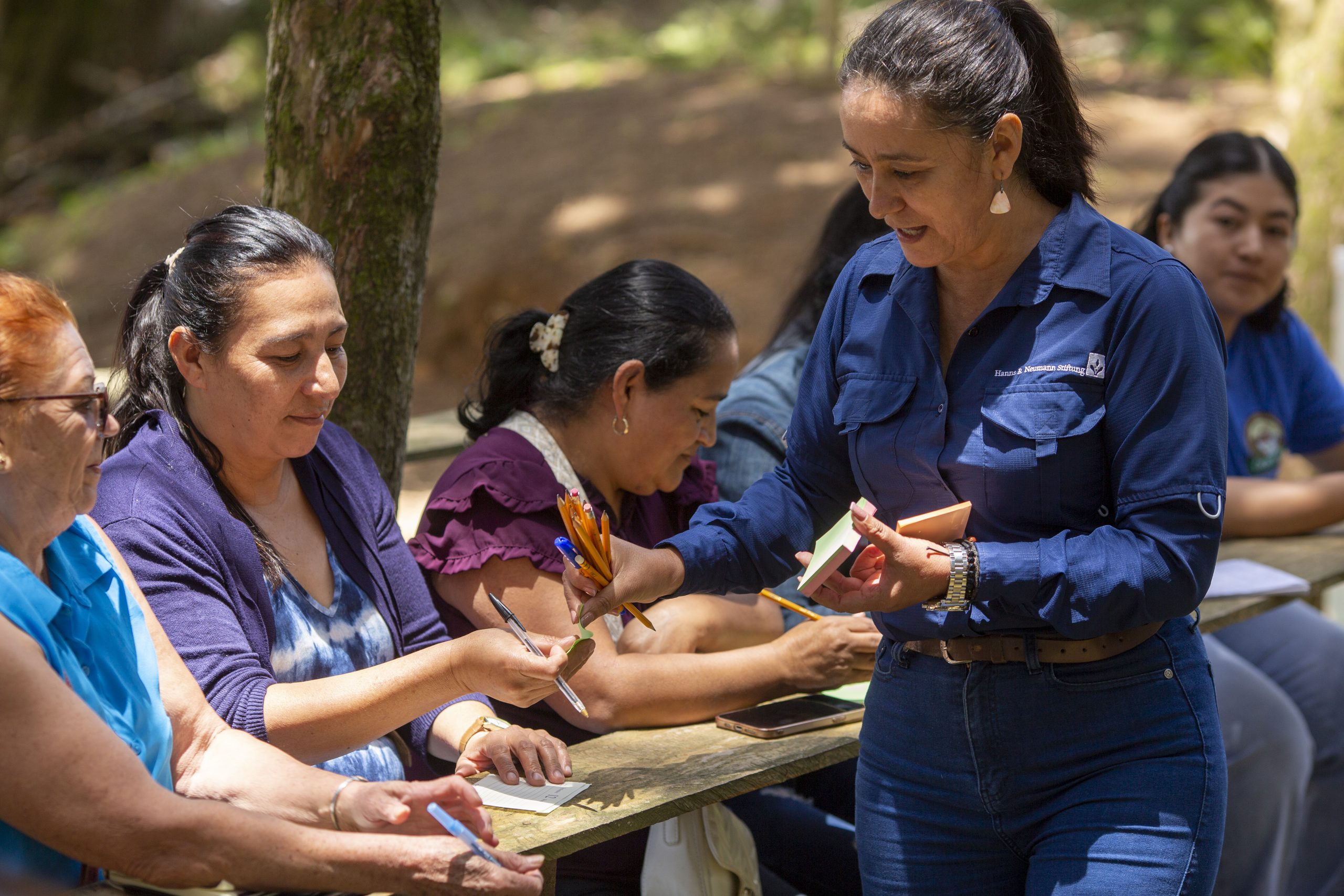
Across discussions on implementation, monitoring, and financing, one common theme continued to surface: resilience takes time. Landscapes do not change within a project cycle. Trust does not emerge through a single workshop. Ecosystems do not recover in a season. Institutions cannot be strengthened overnight.
Building resilience therefore requires forms of financing, collaboration, and governance that extend beyond short-term interventions.
The conversations around innovative financing reflected this challenge. While approaches continue to evolve, the underlying question is straightforward:
How can long-term resilience be financed in ways that match the timescales of ecological and social change?
Finding answers to that question may become one of the defining challenges for the coffee sector in the years ahead.
Looking Ahead
Climate-Smart Coffee Regions are still evolving. There is no universal blueprint, and there are certainly no simple solutions. Regional approaches introduce complexity, require coordination, and demand patience.
Yet they also reflect a reality that is becoming increasingly difficult to ignore.
The future of coffee will not be determined solely by what happens on individual farms. It will also be shaped by the health of landscapes, the strength of local institutions, the quality of partnerships, and the ability of different actors to learn and act together.
The task ahead is therefore not to choose between farm-level action and landscape-level approaches.
It is to connect them.
Watch the full symposium on YouTube: